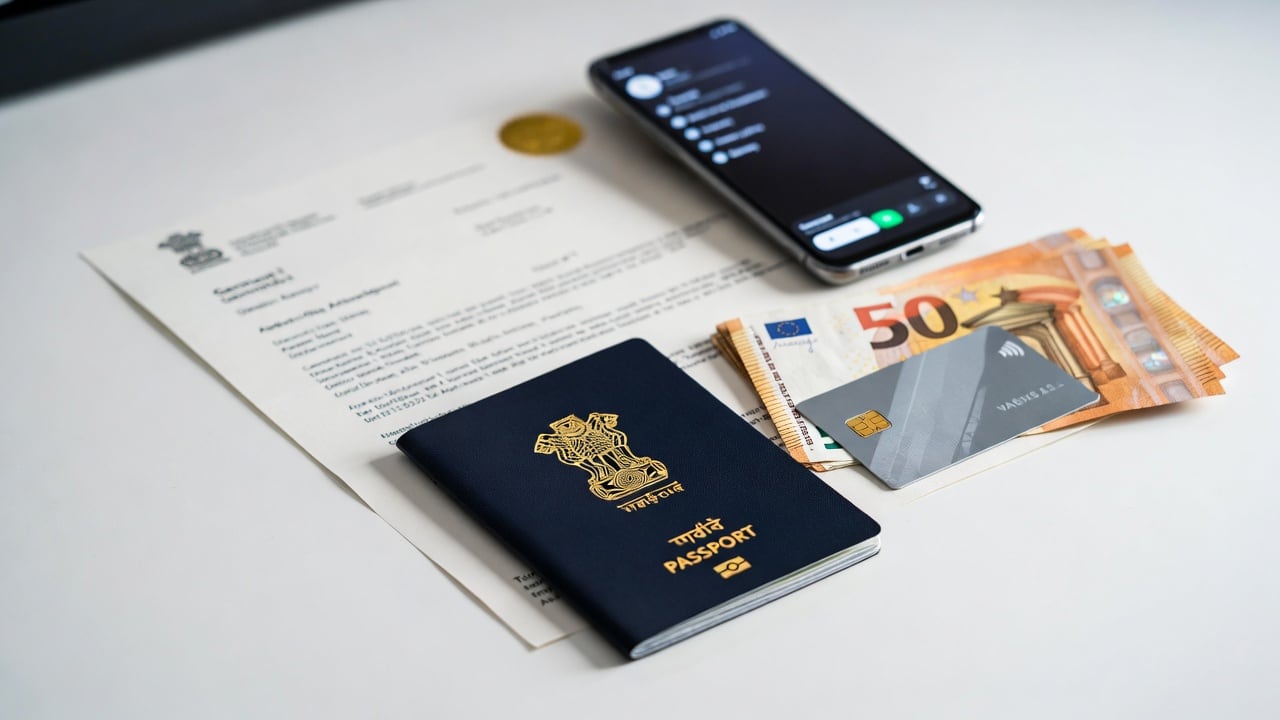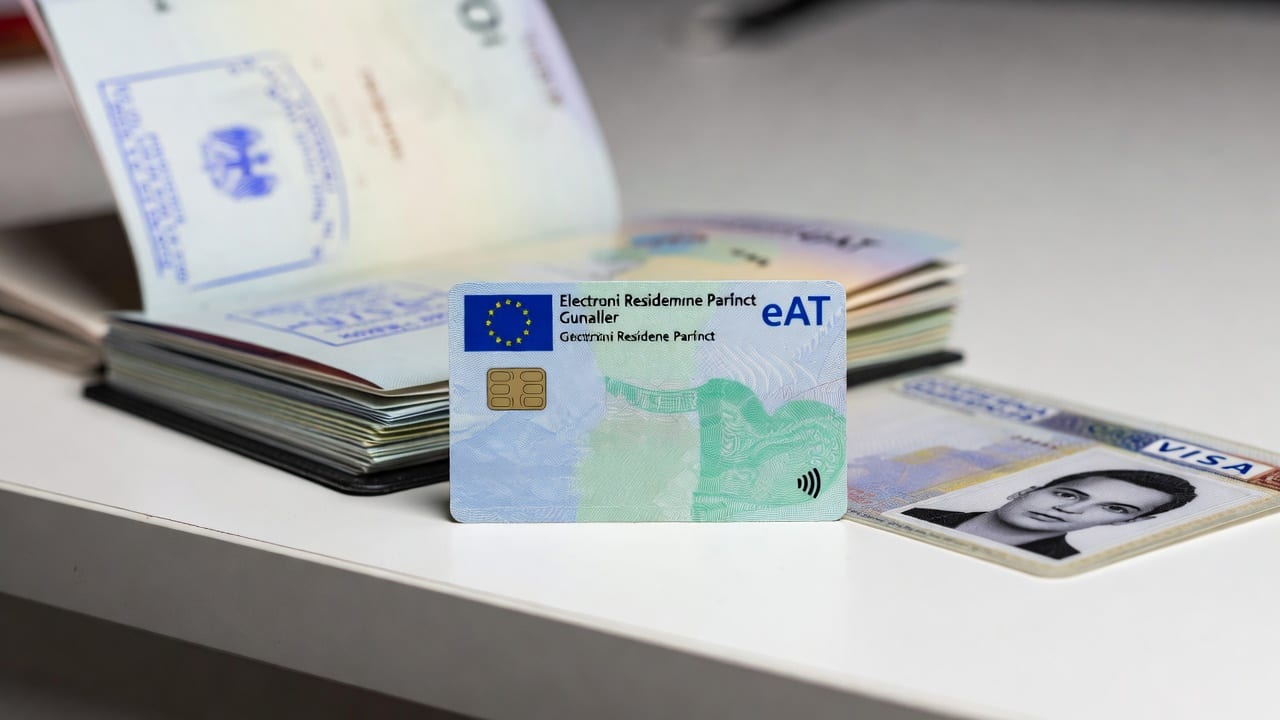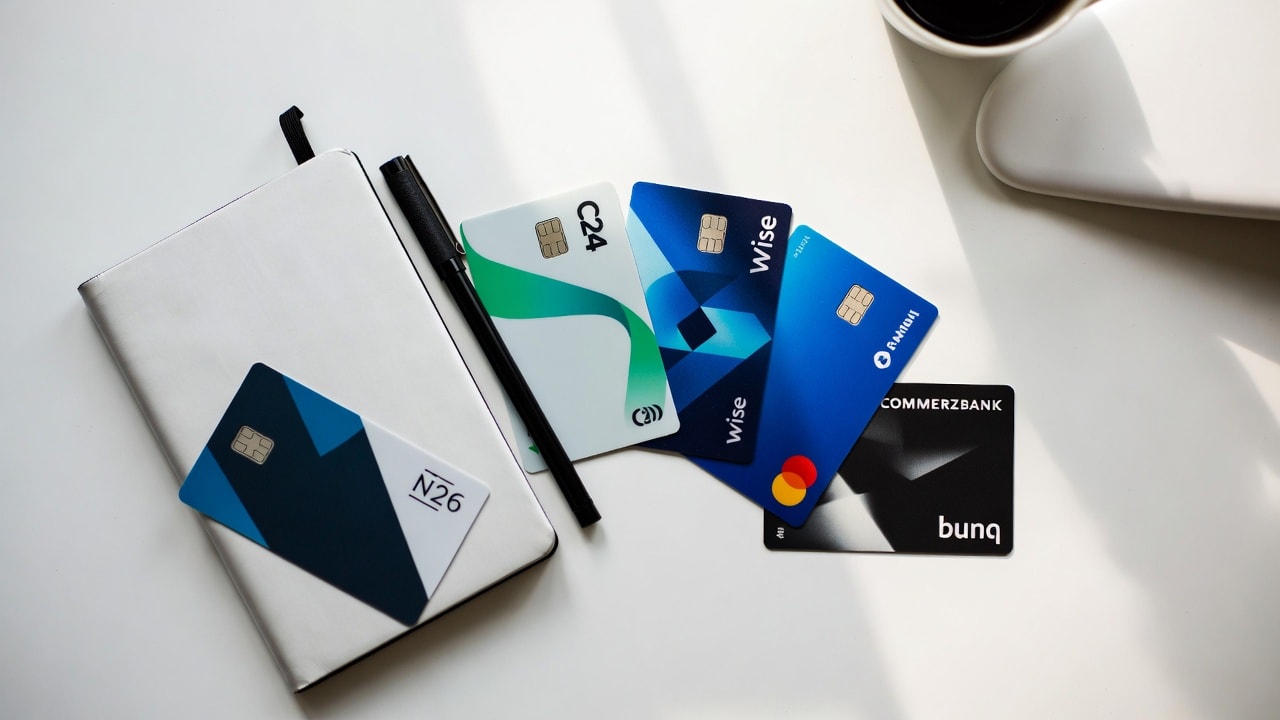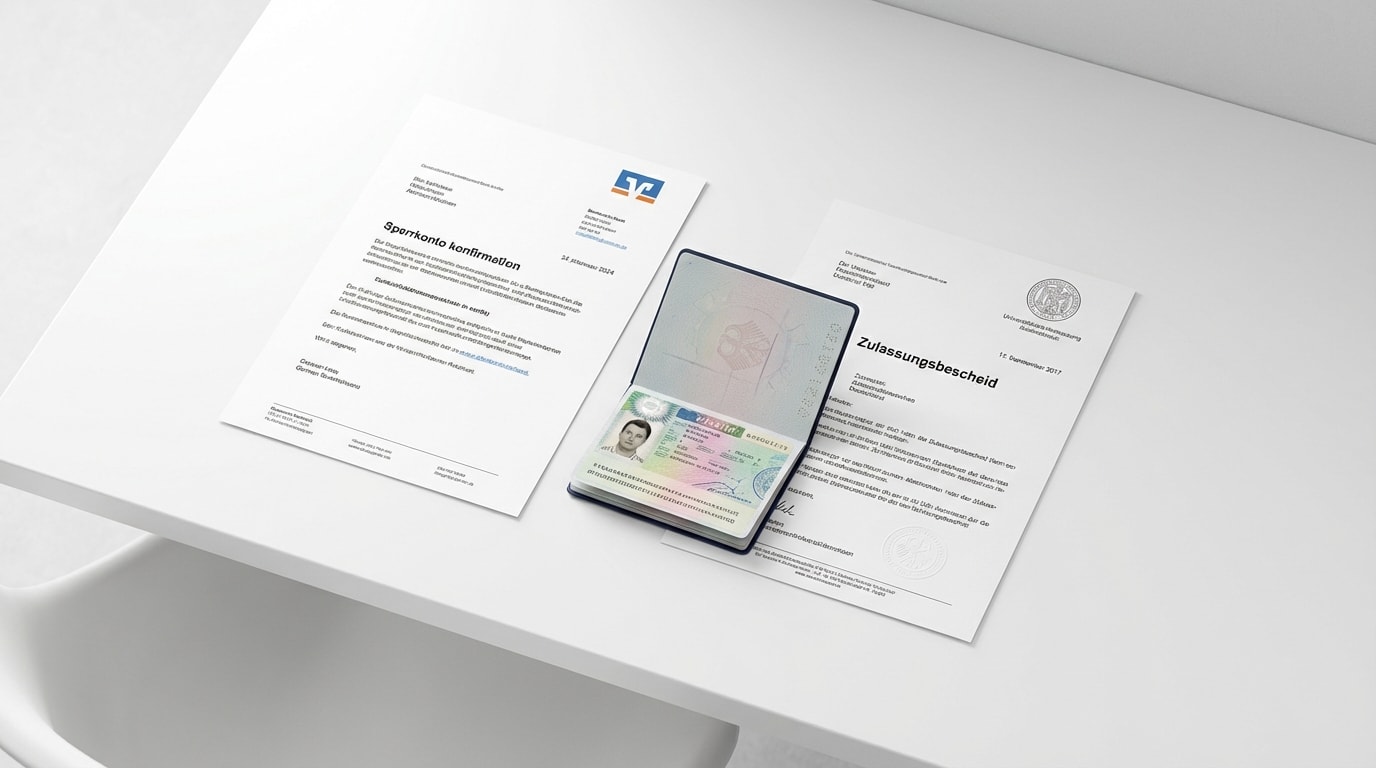
Every year, thousands of international students and job seekers land in Germany only to realize they underestimated one thing: the Sperrkonto. A blocked account is the single most common visa requirement that trips people up, and getting it wrong can delay your entire move by weeks. In 2026, you need to deposit €11,904 into an approved blocked account before your visa appointment, and the clock starts ticking the moment you get your university admission letter. This guide walks you through exactly how to open one, which provider to pick, and the mistakes that cost real people real time, based on what we've seen from thousands of users on ExpatNav.
Table of Contents
- Quick Answer: What Is a Blocked Account?
- Who Needs a Blocked Account in 2026?
- How Much Do You Need to Deposit?
- The 3 Sperrkonto Providers Compared
- Step-by-Step: How to Open Your Blocked Account
- How to Transfer Money to Your Sperrkonto
- What Happens After You Arrive in Germany
- Common Mistakes That Delay Your Visa
- Eligibility and Nationality Considerations
- Alternatives to a Blocked Account
- FAQ
- Key Takeaways
Quick Answer: What Is a Blocked Account?
A blocked account (Sperrkonto) is a special German bank account where you deposit a set amount of money that gets "locked." You can't withdraw it all at once. Instead, the provider releases a fixed monthly amount (€992 in 2026) after you arrive in Germany to cover living expenses like rent, food, and transport. German embassies and consulates require this as proof that you can financially support yourself during your stay.
Think of it as a monthly allowance system managed by an approved financial provider. The money stays yours, it's not a fee or a tax. You're simply proving to German authorities that you won't run out of money in your first year.
Here's a quick snapshot of what you're looking at:
Detail | 2026 Requirement |
|---|---|
Annual deposit (student visa) | €11,904 |
Monthly release | €992 |
Annual deposit (Chancenkarte) | €13,092 |
Monthly release (Chancenkarte) | €1,091 |
Providers accepting applications | Expatrio, Fintiba |
Average setup time | 1 to 5 business days |
Required documents | Passport, admission letter |
Who Needs a Blocked Account in 2026?
If you're a non-EU citizen coming to Germany without a guaranteed income, you almost certainly need a Sperrkonto. This applies to several visa categories, and missing this requirement is one of the fastest ways to get your application rejected.
You need a blocked account if you're applying for:
A student visa (the most common use case by far)
A Studienkolleg or preparatory course visa
A language course visa longer than 90 days
A job seeker visa (Jobsuchenden-Visum)
The Opportunity Card (Chancenkarte), introduced under Germany's updated Skilled Immigration Act
Certain research or fellowship visas where income isn't yet confirmed
You probably don't need one if:
You're an EU/EEA citizen (you have freedom of movement)
You already have a work contract with a German employer (your salary serves as financial proof)
You hold a Blue Card with a confirmed job offer
You have a full scholarship that covers living costs (though some embassies still request additional proof)
One thing we've learned from talking to users on our platform: even if you fall into a "probably don't need one" category, it's worth double-checking with your specific embassy. Requirements vary by consulate, and we've heard from Chancenkarte applicants who were surprised to learn their deposit amount is actually higher than the student visa requirement.
How Much Do You Need to Deposit?
The required blocked account amount for 2026 is €11,904 for student visas, calculated at €992 per month for 12 months. This figure comes from the BAfoG rate (Germany's Federal Training Assistance Act), which the government uses to estimate the minimum cost of living for students.
For Chancenkarte (Opportunity Card) applicants, the requirement is higher: €13,092 per year, or €1,091 per month.
Here's how the amount has changed over the past few years:
Year | Annual Amount | Monthly Amount |
|---|---|---|
2022 | €10,236 | €853 |
2023 | €10,332 | €861 |
2024 | €11,208 | €934 |
2025-2026 | €11,904 | €992 |
The jump from 2023 to 2024 was the biggest in recent memory, reflecting rising living costs across Germany. If you're planning to arrive in 2027, expect another possible increase and budget accordingly.
A reality check on the €992 monthly release: This amount is meant to cover your basic expenses, and it's tight. In more affordable cities like Leipzig, Chemnitz, or Magdeburg, €992 can stretch to cover rent, groceries, insurance, and transport. But in Munich, Frankfurt, or Hamburg? You'll likely need to supplement with part-time work or savings. Based on what users report on ExpatNav's bank account comparison page, students in Munich typically spend €1,200 to €1,400 per month on essentials alone.
You can deposit more than €11,904, but there's a catch: the monthly withdrawal limit stays at €992 regardless. The extra funds just sit in the account until the standard releases are complete. Most providers and financial advisors recommend depositing close to the minimum to avoid tying up more money than necessary.
The 3 Sperrkonto Providers Compared
Three providers have dominated the German blocked account market: Expatrio, Fintiba, and Coracle. But here's an important update for 2026: Coracle has suspended new blocked account applications since August 2025 due to a banking system upgrade. No reopening date has been announced as of April 2026. That leaves Expatrio and Fintiba as your two realistic options right now.
Both are fully digital, accepted by every German embassy and consulate worldwide, and regulated under EU financial standards. The differences come down to fees, processing speed, and bundled services.
Provider Comparison Table (Verified April 2026)
Feature | Expatrio | Fintiba | Coracle (Suspended) |
|---|---|---|---|
Setup fee | €49 | €89 | €99 (was €59 with Prime) |
Monthly fee | €5.00 | €4.90 | €0 |
First-year total cost | ~€109 | ~€147.80 | ~€99 |
Banking partner | Italian bank (Solarisbank) | German Sutor Bank | French payment provider (Lemonway) |
Account opening time | 1 to 2 business days | Under 1 hour (often minutes) | 24 hours (when available) |
Confirmation after deposit | 1 to 3 business days | 1 to 3 business days | 1 to 5 business days |
Mobile app | Yes | Yes | No |
Bundled health insurance | Yes (TK, private options) | Yes (DAK) | Yes (public GKV options) |
Free travel insurance | Up to 92 days | Included in Plus package | Up to 6 months (Prime) |
Refund if visa denied | Yes (€109 fee) | Yes (€89 fee) | Yes (free) |
Accepts US tax residents | No | No | Yes (when available) |
Extension fee | Varies | €89/year | €60/year |
Languages | English + 11 others | English, German | English, German |
Credit card payment | Yes | Yes | No |
Accepts minors | With parent consent | With parent consent | With parent consent |
Pricing verified April 2026. Fees may change. Always confirm on the provider's website before applying.
Affiliate disclosure: ExpatNav may earn a commission if you sign up through our links. This never affects our rankings or recommendations. We include all major providers regardless of affiliate status.
Our Take: Which Provider Should You Choose?
Choose Expatrio if you want the lowest setup fee and a broad ecosystem of bundled services. Their Value Package (blocked account + health insurance + travel insurance) is the most popular option among users on our platform, and their website supports 12 languages, which matters if English and German aren't your strongest suits. Expatrio processes over 200,000 accounts per year, making them the highest-volume provider in the market. If you want to see how Expatrio stacks up in detail, check our full Expatrio review.
Choose Fintiba if you need speed above everything else. Fintiba can open your account in minutes, not days, and their app makes managing payouts after arrival genuinely convenient. They're the only provider with a direct German banking partner (Sutor Bank), which some users prefer for peace of mind. The trade-off is higher total costs: roughly €40 more in the first year compared to Expatrio. For a deeper look, see our Fintiba review.
Wait for Coracle if you're not in a rush and want the cheapest long-term option (no monthly fees). But given there's no confirmed reopening date, we wouldn't recommend building your visa timeline around Coracle becoming available again.
ExpatNav's Sperrkonto comparison tool lets you filter providers by your nationality and visa type, so you can instantly see which options work for your specific situation.
Step-by-Step: How to Open Your Blocked Account {#step-by-step}
Opening a Sperrkonto is a fully online process with either Expatrio or Fintiba. You don't need to visit a bank branch, and you can do it from anywhere in the world. Here's the exact process, step by step.
Step 1: Gather Your Documents
You'll need surprisingly little paperwork:
A valid passport (biographical page scan or photo)
A university admission letter, conditional admission, or Studienkolleg acceptance (for student visas)
For Chancenkarte applicants: proof of qualification recognition or relevant documents
Some providers also ask for a secondary ID (national ID card or driver's license). Have these ready as digital scans or clear photos before you start.
Step 2: Choose Your Provider and Create an Account
Go to Expatrio or Fintiba and register. You'll fill out a form with your personal details: name (exactly as it appears on your passport), date of birth, nationality, passport number, and your planned university or purpose of stay.
Pro tip from our experience helping users: Double-check that your name matches your passport character for character. Even small discrepancies (a middle name on your passport that you left out, or a different transliteration of your name) can cause delays during verification.
Step 3: Complete Identity Verification
Both providers use online identity verification (video-ident or document upload). This typically takes 5 to 15 minutes. You'll need a stable internet connection and good lighting for the video call or photo capture.
Fintiba often completes this step almost instantly through their app. Expatrio's verification usually processes within 1 to 2 business days.
Step 4: Receive Your Account Details
Once verified, you'll get an IBAN (International Bank Account Number) and transfer instructions. This is the account you'll send your deposit to. Don't transfer money until you have this confirmation, as using incorrect details can cause serious delays.
Step 5: Transfer the Required Deposit
Send €11,904 (or more, if your embassy requires a buffer) to the IBAN provided. We cover the best ways to transfer in the next section.
Step 6: Receive Your Blocking Confirmation (Sperrbescheinigung)
After your deposit arrives and clears, the provider issues a Sperrbescheinigung, your official confirmation document. This is what you bring to your visa appointment. Depending on how you transferred the money, expect this within 1 to 7 business days after the funds land.
Total timeline from start to confirmation: Plan for 2 to 3 weeks to be safe. If you're using a bank wire from South Asia or Africa, international transfers can take 5 to 10 business days. Start this process at least 6 to 8 weeks before your visa appointment.
How to Transfer Money to Your Sperrkonto {#transfer-money}
This is the step where many people lose time and money unnecessarily. An international bank transfer to Germany can cost anywhere from €15 to €100+ in fees, and exchange rate markups from traditional banks can eat 2% to 5% of your deposit. On €11,904, that's potentially €240 to €595 in hidden costs.
Your Transfer Options
International bank wire (SWIFT transfer): The traditional option. Your home bank sends money directly to the Sperrkonto IBAN. Processing time is typically 3 to 7 business days, sometimes longer from countries with strict foreign exchange regulations (India, Nigeria, Pakistan). Fees vary widely by bank.
Wise (formerly TransferWise): The option most experienced expats recommend. Wise uses mid-market exchange rates with transparent, low fees. Transfers often complete within 1 to 2 business days. Available in most countries, though not all. Check ExpatNav's money transfer comparison to see current rates for your currency.
Other money transfer services: Remitly, CurrencyFair, and similar services can also work, but always confirm that the service supports transfers to German IBANs and that the sender name matches your passport name.
Credit card (Expatrio only): Expatrio accepts credit card payments, which is faster but may come with higher processing fees from your card issuer.
Transfer Tips That Save You Money and Time
Always transfer in euros if possible. Letting your home bank convert to EUR usually means a worse exchange rate than using a service like Wise.
Include the provider's reference number in the transfer description. Without it, matching your payment to your account takes longer.
Make sure the sender name matches your passport name. If a parent is sending money on your behalf, some providers require additional documentation proving the relationship.
Don't split transfers unless necessary. One lump-sum transfer processes faster than multiple smaller ones.
Factor in the buffer amount. Some providers require a small buffer (around €100) on top of the €11,904 to cover transfer fees that might be deducted along the way.
What Happens After You Arrive in Germany
Your Sperrkonto doesn't just sit there after you land. You need to activate it, and there's a specific sequence of steps to follow.
Activating Your Blocked Account
After arriving in Germany, you'll need to provide your provider with:
Proof of your German address (from your Anmeldung/address registration)
Your stamped visa or residence permit
A German bank account IBAN (your Girokonto, where monthly releases get sent)
This is why your first 14 days in Germany matter so much. You need to register your address, get your residence permit processed, and open a German bank account before your Sperrkonto can start releasing funds.
Monthly Payouts
Once activated, your provider transfers €992 each month to your German checking account. You can't speed this up, and you can't withdraw more than €992 in any given month, even in emergencies. The schedule is fixed by regulation, not by provider policy.
This is worth planning around. If you arrive in October but your first payout doesn't come until November, you need enough cash or savings to cover that gap. We've heard from users who assumed the money would be available immediately and found themselves short during their first few weeks.
Closing Your Sperrkonto
If you leave Germany before the account is fully paid out, or if your visa is denied, you can close the account and get your remaining balance refunded. The process varies by provider:
Expatrio: Refund processing takes about 4 weeks; a €109 closure fee applies
Fintiba: Refund takes about 4 weeks; an €89 fee applies
You'll typically need to provide proof that you've left Germany or that your visa was denied. Contact your provider's support team to start the process.
Common Mistakes That Delay Your Visa
After working with thousands of users on ExpatNav, these are the mistakes we see most often. Every single one is avoidable.
1. Starting too late. This is the number one problem. Students get their admission letter and assume the Sperrkonto can be set up in a few days. Account opening is fast, but international money transfers take time, especially from countries with strict forex controls. If you're transferring from India through a bank, expect 5 to 10 business days. From Nigeria, it can take even longer. Start the process the day you get your admission letter.
2. Name mismatches between passport and application. If your passport says "Mohammed Ahmed Khan" but you register as "M. A. Khan," the verification will fail. Use your full legal name exactly as printed on your passport.
3. Sending money from a different person's account without documentation. If your parents are funding your Sperrkonto (which is common), the sender name won't match your account name. Most providers accept this, but you'll need to upload a letter from your parents confirming the transfer. Not having this ready adds days to your confirmation.
4. Forgetting the buffer amount. When you send €11,904 internationally, intermediary banks sometimes deduct small fees along the way. If only €11,850 arrives, the provider won't issue your confirmation until you top up the difference. Send an extra €50 to €100 as a buffer.
5. Not checking embassy-specific requirements. Some German embassies have slightly different documentation preferences. The German embassy in Lagos might ask for something the embassy in New Delhi doesn't. Always check your specific embassy's website or call them before your appointment.
6. Choosing a provider that doesn't accept your nationality. While Expatrio and Fintiba accept most nationalities, there are exceptions. US tax residents, for example, are excluded from both Expatrio and Fintiba due to FATCA compliance requirements. ExpatNav's eligibility filter shows you instantly which providers accept your nationality and visa type.
Eligibility and Nationality Considerations
Not every Sperrkonto experience is the same. Your nationality, your embassy's specific requirements, and even your country's banking infrastructure all play a role. Here's what we've observed across different nationalities on our platform.
Indian students make up the largest group of Sperrkonto applicants. The biggest challenge is transfer time: sending €11,904 from India through RBI-regulated channels takes longer than from most other countries. Many Indian students use Wise to speed things up, but not all Indian banks allow Wise transfers for amounts this large. Budget at least 10 business days for the full transfer cycle.
Nigerian students face the tightest forex restrictions. Getting €11,904 out of Nigeria through official channels requires Central Bank of Nigeria (CBN) approval, and the process can be unpredictable. Some students use a combination of domiciliary accounts and approved dealers. Start this process months, not weeks, in advance.
Turkish students generally have a smoother transfer experience but should watch out for exchange rate volatility. The EUR/TRY rate can swing significantly in a short period, so locking in a rate through a transfer service rather than waiting for a bank wire can save hundreds of euros.
Pakistani and Bangladeshi students deal with similar challenges to Indian and Nigerian students: forex controls, limited transfer channels, and processing delays. Starting early is critical.
EU citizens typically don't need a Sperrkonto at all, since freedom of movement means no visa requirement. But EU citizens who are students at German universities sometimes open a blocked account voluntarily to demonstrate financial stability for housing applications or scholarship renewals.
For nationality-specific guidance, check whether ExpatNav has published a dedicated guide for your country. We're building out guides for the top 15 source countries, and you can find what's available on our guides page.
Alternatives to a Blocked Account
A Sperrkonto is the standard, but it's not the only way to prove financial means to German authorities. In specific situations, these alternatives may be accepted:
Scholarship certificate: If you hold a scholarship from a recognized organization (DAAD, Erasmus, government scholarships) that covers at least €992 per month in living costs, the scholarship certificate itself can serve as proof of financial means. This is the cleanest alternative.
Declaration of commitment (Verpflichtungserklarung): A German resident, usually a relative or close friend, can sign a notarized declaration taking financial responsibility for your stay. This document must be issued by the local Auslanderbehorde (foreigners authority) and costs around €29 in administrative fees. The guarantor must prove sufficient income.
Parental bank statements: Some embassies accept bank statements from a parent's account showing funds equivalent to the blocked account requirement. However, this is increasingly rare and unreliable. Many embassies now prefer or require a Sperrkonto specifically.
Formal obligation from a German institution: If a German company, university, or research institution formally guarantees your financial support, this letter can sometimes substitute for a Sperrkonto.
Our honest recommendation: Unless you have a full scholarship or a rock-solid Verpflichtungserklarung, just open a Sperrkonto. It's the most universally accepted proof, it avoids any ambiguity at your visa appointment, and the money stays yours. The €49 to €89 in setup fees is a small price for certainty.
FAQ
Can I withdraw more than €992 per month from my blocked account?
No. The monthly limit is set by German regulation and applies to all providers equally. Even in an emergency, you can't access more than the monthly release. If you need extra funds, you'll need to rely on a separate savings account, part-time job income, or support from family.
What happens to my Sperrkonto if my visa gets rejected?
Your deposit is fully refundable. Both Expatrio and Fintiba charge a closure fee (€109 and €89 respectively), but the remaining balance gets returned to you. Processing typically takes about 4 weeks.
Is a blocked account the same as a regular German bank account?
No, they serve completely different purposes. A blocked account (Sperrkonto) is for visa compliance and has withdrawal restrictions. A regular checking account (Girokonto) is for daily banking: receiving salary, paying rent, and managing expenses. Most students need both. You can compare checking account options on our bank account comparison page.
Can I open a blocked account after arriving in Germany?
If you're from a country that allows visa-free entry into the Schengen area, yes. You can enter Germany as a tourist and then apply for a residence permit, including opening a Sperrkonto while already in the country. For most non-EU students who need a visa before entry, the Sperrkonto must be opened before your visa appointment.
Do I need health insurance in addition to a blocked account?
Absolutely. Health insurance is a separate mandatory requirement for both your visa and university enrollment. Both Expatrio and Fintiba offer bundled packages that include health insurance, which simplifies the process. But the Sperrkonto alone does not cover your insurance requirement.
How long does the entire process take from start to finish?
Account opening takes 1 to 5 business days. International money transfer takes 2 to 10 business days depending on your country. Confirmation issuance takes 1 to 3 business days after funds clear. Total realistic timeline: 2 to 3 weeks. We recommend starting 6 to 8 weeks before your visa appointment to build in a safety margin.
Can my parents open a Sperrkonto on my behalf?
No. The account must be in your name. However, your parents can transfer the money to your account. You'll need to provide documentation (a letter or bank statement) showing the source of funds if the sender name doesn't match the account holder.
What's the difference between the Sperrkonto amounts for students and Chancenkarte applicants?
Student visa applicants need €11,904 (€992/month). Chancenkarte (Opportunity Card) applicants need €13,092 (€1,091/month). The higher amount for Chancenkarte reflects the expectation that job seekers may face a longer period without income.
Key Takeaways
Opening a Sperrkonto is one of those tasks that feels overwhelming until you actually do it. The process is fully digital, takes about 2 to 3 weeks from start to confirmation, and the money stays yours throughout. Here's what matters most:
The 2026 deposit requirement is €11,904 (€992/month) for student visas
Expatrio (€49 setup) and Fintiba (€89 setup) are the only two providers currently accepting applications
Start at least 6 to 8 weeks before your visa appointment, especially if you're transferring from a country with strict forex regulations
Use a service like Wise for your transfer to save on fees and time
Always send a small buffer (€50 to €100 extra) to cover potential intermediary bank deductions
Your name on the application must match your passport exactly
Not sure which provider fits your specific nationality and visa type? ExpatNav's Sperrkonto comparison tool lets you filter by your exact profile and see real fee breakdowns, eligibility status, and community reviews from people in your situation. You can also take our relocation quiz to get personalized recommendations across all the financial products you'll need for your move to Germany.
Sources: German Federal Foreign Office, BAfoG Federal Training Assistance Act, DAAD. Provider pricing verified from Expatrio.com and Fintiba.com in April 2026. ExpatNav may earn a commission through affiliate links. This never influences our rankings or recommendations.