If you're a non-EU citizen living in Germany, the Ausländerbehörde (foreigners' office) is one of the most important government offices you'll ever visit. It's where your residence permit application gets reviewed, your biometrics are collected, and your legal status in Germany is decided. For most internationals, it's also one of the most stressful appointments of their entire relocation.
Here's the problem: almost nobody tells you what actually happens during the appointment itself. You can find dozens of articles explaining how to book a slot, but very few walk you through what the experience looks and feels like once you're sitting across from a Sachbearbeiter (case worker). After going through this process ourselves and collecting feedback from thousands of users on the ExpatNav platform, we're going to fix that.
This guide covers what to bring, what happens minute by minute, how fees work, what a Fiktionsbescheinigung is, and what to do if something goes wrong. Whether you're applying for your first residence permit or renewing an existing one, you'll know exactly what to expect before you walk through that door.
Table of Contents
- Quick Answer: What Happens at the Ausländerbehörde?
- Before the Appointment: Documents You Need
- How to Book Your Appointment (by City)
- What Happens During the Appointment: Step by Step
- Fees and Payment: What You'll Pay
- The Fiktionsbescheinigung: Your Safety Net
- What Happens After the Appointment
- Common Mistakes That Delay Your Permit
- Nationality-Specific Tips
- Bringing a Translator or Visa Specialist
- FAQ
- Conclusion
Quick Answer: What Happens at the Ausländerbehörde?
Your Ausländerbehörde appointment typically lasts 15 to 30 minutes. You'll check in at reception, wait in a designated area until your number appears on a screen, then sit with a case worker who reviews your documents, asks clarifying questions, collects biometric data (fingerprints and a photo for your electronic residence card), and tells you the next steps. In most cases, you'll pay a fee of €75 to €140, depending on your permit type, and either receive a Fiktionsbescheinigung (temporary confirmation) on the spot or be told your permit will arrive by mail in 4 to 8 weeks.
What | Details |
|---|---|
Duration | 15-30 minutes (plus waiting time) |
Language | German (bring a translator if needed) |
Fees | €75-€140 for most permit types |
Payment | Cash, EC card (Girocard), Visa, or Mastercard at most offices |
Outcome | Fiktionsbescheinigung or direct approval, eAT card arrives later |
Arrive | 15 minutes early, minimum |
Before the Appointment: Documents You Need
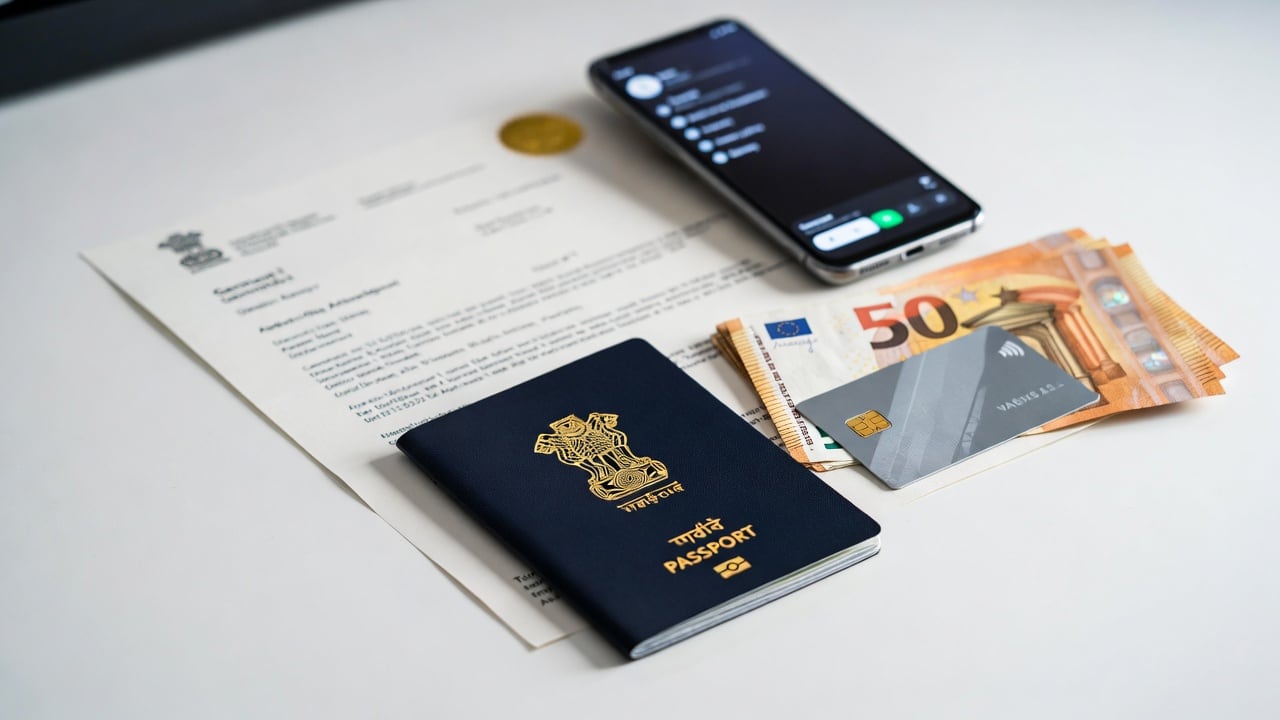
The single biggest reason Ausländerbehörde appointments go badly is incomplete paperwork. Case workers can't approve what they can't verify, and a missing document can mean weeks of delay or a second appointment months away.
Your exact document list depends on your permit type, but the core set applies to almost every appointment. Here's what to bring:
Universal documents (every appointment type):
Valid passport (not expiring within 6 months)
Current visa or existing residence permit (the physical card or visa sticker)
Appointment confirmation (printed, not just on your phone)
Biometric passport photo (35x45mm, taken within the last 6 months)
Anmeldebestätigung (proof of address registration from your local Bürgeramt)
Health insurance confirmation (Krankenversicherungsnachweis)
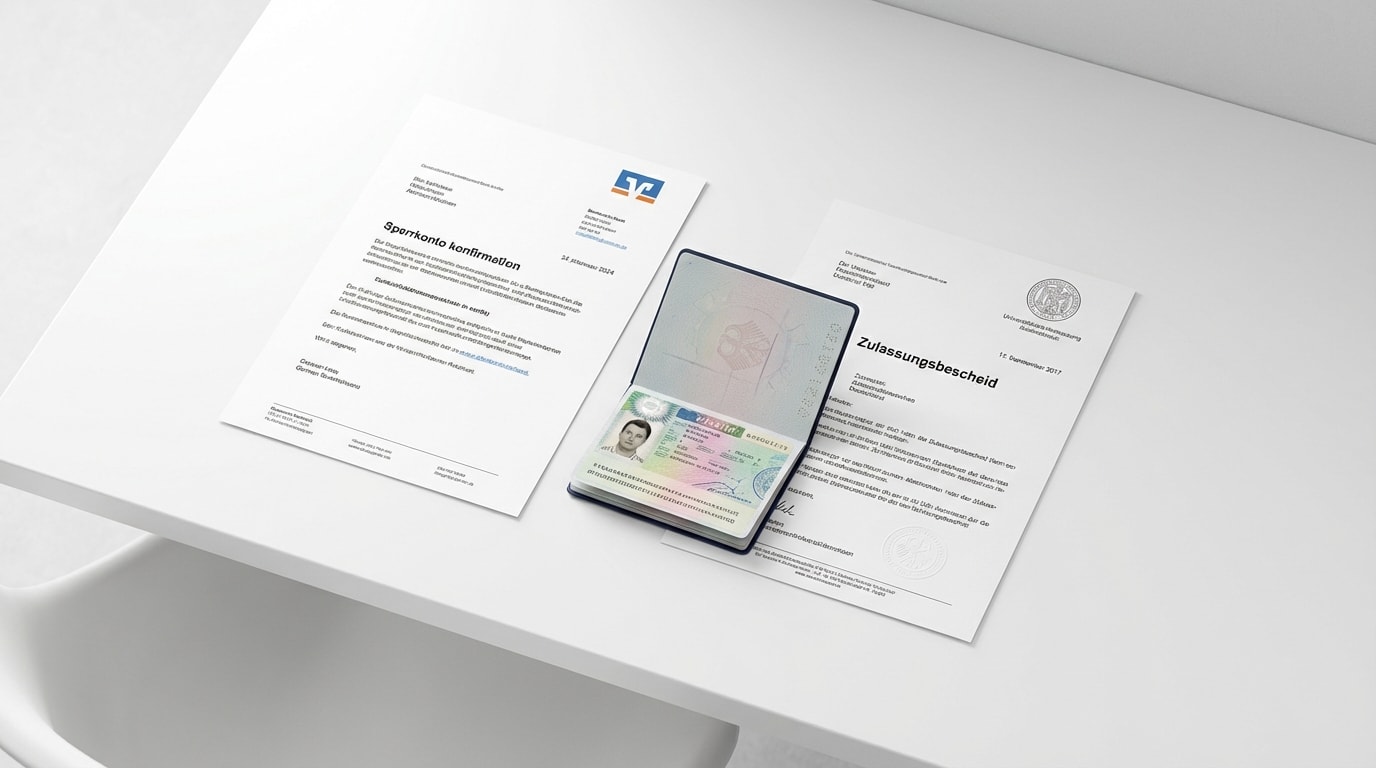
Proof of financial means (bank statements, Sperrkonto confirmation, employment contract, or scholarship letter)
Completed application form for your specific permit type
Additional documents by permit type:
For student visas (§16b AufenthG): university enrollment certificate (Immatrikulationsbescheinigung), blocked account (Sperrkonto) confirmation showing the required €11,904 annual deposit, and proof of previous academic qualifications.
For work permits and EU Blue Cards (§18a/b, §18g AufenthG): employment contract or binding job offer, proof of recognized qualifications (check anabin for degree recognition status), and salary documentation. As of 2026, the EU Blue Card requires a minimum gross annual salary of €50,700 for standard professions.
For freelance visas (§21 AufenthG): business plan, client contracts or letters of intent, proof of income or financial reserves, and professional references. Some cities, like Berlin, also ask for a CV and letters of recommendation, which surprises many applicants.
For family reunification (§§27-36 AufenthG): marriage certificate (with certified German translation if needed), spouse's residence permit copy, proof of adequate living space, and A1 German language certificate for spouses of non-EU citizens.
Pro tip from our team: Make two copies of everything. German offices frequently keep originals or copies for their files. If you only bring one set, you might end up chasing down a copy shop near the immigration office, and yes, that has happened to more than a few ExpatNav users.
Also, don't staple, clip, or bind your documents together. The Berlin immigration office (LEA) specifically asks applicants not to do this, because it slows down processing. Keep everything in a clear folder, organized in the order listed above.
How to Book Your Appointment (by City)
Every city in Germany handles Ausländerbehörde appointments differently. What works in Munich won't work in Berlin, and what's standard in Hamburg is impossible in Stuttgart. Here's a breakdown of the major cities.
Berlin (Landesamt für Einwanderung, LEA)
Berlin's appointment system has changed significantly. The old online booking portal (OTV) was permanently shut down after third-party services were buying up appointment slots and reselling them. Now, most services require you to apply online or submit a contact form, and LEA assigns you an appointment after reviewing your documents. For employment-related permits and other common categories, you apply through LEA's digital portal, upload your documents, and wait for an invitation.
If your situation is urgent (your permit expires imminently, you risk losing your job, or benefits are about to be cut), you can use the emergency contact form and provide proof of urgency. Expect response times of several weeks to months for non-urgent cases.
Berlin has three office locations, and you must go to the one responsible for your permit type. Departments B1 through B4 handle skilled workers, students, researchers, and their families.
Munich
Munich's Ausländerbehörde has one of the better online systems. You can book an appointment and start your application online through the city portal, and parts of the system are available in English. New slots typically open early in the morning. If nothing is available, try checking at 7:00 to 8:00 AM when fresh slots are released.
Hamburg
Hamburg uses an online portal where you submit your information and documents digitally, and the authority contacts you with an appointment. You can also call the free service number 115 for guidance. First-time applicants should contact the Welcome Center.
Frankfurt
Frankfurt's immigration office lets you begin the residence permit application online through their dedicated portal. After submitting your information, you're assigned an in-person appointment. There's a separate contact form for general questions.
Stuttgart and Düsseldorf
Both cities require appointments, bookable by email, phone, or contact form. In Stuttgart, you'll be matched to the right team based on the first letter of your surname and your service type.
Smaller Cities
In smaller towns and rural areas, the process is often simpler. Some Ausländerbehörden still accept walk-ins during designated consultation hours (Sprechzeiten), and wait times are typically much shorter. Check your local office's website or call 115 to find out the process in your area.
Key rule across all cities: You must visit the Ausländerbehörde in the city where you've registered your address (Anmeldung). You can't go to a different city's office because it has shorter wait times, unless you re-register your address there first.
ExpatNav's eligibility filter can help you prepare your financial documents before the appointment, showing you which bank accounts, blocked accounts, and health insurance providers accept your nationality and visa type.
What Happens During the Appointment: Step by Step
This is the part most guides skip, and it's the part that causes the most anxiety. Based on our own visits and reports from ExpatNav community members across multiple cities, here's what a typical Ausländerbehörde appointment looks like.
Step 1: Arrival and Check-In (15 Minutes Before)
Arrive at least 15 minutes before your scheduled time. Being even three minutes late can result in your appointment being canceled, and rescheduling could take months. This is not an exaggeration. German officials take punctuality extremely seriously in formal settings, and an Ausländerbehörde appointment is about as formal as it gets.
At most offices, you'll check in at a reception desk or use a self-service terminal. You'll show your appointment confirmation and receive a waiting number. Some offices use a ticket system; others direct you to a specific floor, wing, or waiting room listed on your confirmation email.
Step 2: Waiting
Sit in the designated waiting area and watch the display screens. Your appointment number will flash on a screen along with the room number you should go to. In larger offices like Berlin's LEA, multiple appointments run simultaneously across several rooms, so pay close attention. Missing your number means going back to the queue.
Wait times vary wildly. Even with an appointment, you might wait 15 minutes or over an hour, depending on the office and day. Bring something to read, charge your phone, and don't plan anything immediately after.
Step 3: The Interview (15-30 Minutes)
When your number is called, go to the assigned room. In many offices, two case workers share a room, with two interviews happening simultaneously at separate desks. It can feel impersonal.
Here's what to expect once you sit down:
Language: The conversation will be in German. Don't expect your case worker to switch to English, even if they speak it. Many case workers are uncomfortable communicating in English for official proceedings because they worry about making mistakes. If you don't speak German fluently, bring a translator or a visa specialist. (More on this below.)
Tone: Case workers tend to be direct and efficient. Don't expect small talk or warmth. They'll ask for your documents, review them, and ask clarifying questions. This is normal. It doesn't mean anything is wrong. German bureaucratic culture values efficiency over friendliness in formal settings.
Document review: The case worker will go through your documents one by one. They'll check your passport validity, verify your health insurance status, confirm your financial situation, and look at your enrollment, employment contract, or business plan, depending on your permit type. Complete applications are processed significantly faster, so having everything organized saves you and the case worker time.
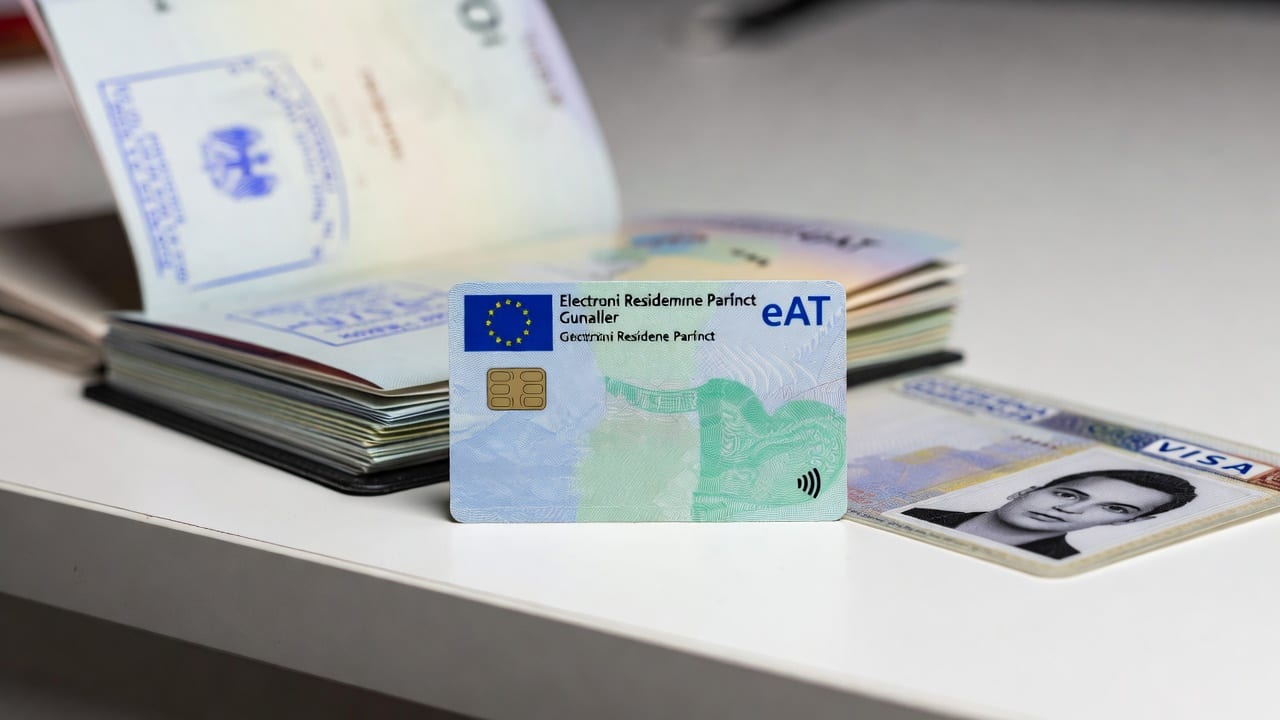
Biometric data: For electronic residence permits (eAT), you'll have your fingerprints scanned and a photo taken (or you'll hand over the biometric photo you brought). This takes just a couple of minutes.
Questions they might ask: Be prepared for questions like: "How are you funding your stay?" "Where are you employed?" "When does your current contract end?" "Are you planning to change your field of study?", or "Do you have sufficient health insurance coverage?" Answer honestly. Case workers have access to databases and can verify claims, and providing false information can result in permit denial.
Surprises: Even if your application looks complete, the case worker might ask for something unexpected: a CV, recommendation letters, a translated document, or additional proof of your living situation. This is frustrating but not uncommon. If you don't have a document on hand, ask if you can email it as a PDF after the appointment. Many case workers will accept this and provide their direct email address.
Step 4: Payment
At the end of the appointment, you'll typically receive a plastic payment card (Kassenkarte). Take it to a payment machine (Kassenautomat) in the building. Most offices accept cash, EC cards (Girocard), Visa, and Mastercard. If your card doesn't work, find the nearest ATM. You don't need to return to the case worker after paying.
Keep the receipt. The residence permit fee is tax-deductible (you can claim it on your annual German tax return using a tax filing tool).
Step 5: Leaving
After payment, you're done. In many cases, you'll walk out with either:
A Fiktionsbescheinigung (temporary confirmation that your application is being processed), or
A note that your electronic residence permit (eAT) card will be produced and mailed to you within 4 to 8 weeks.
If your application requires additional review, the case worker will tell you the expected timeline and whether they need anything else from you.
Fees and Payment: What You'll Pay
Residence permit fees in Germany are set by federal regulation and vary based on the type of permit. Here's a general overview as of 2026:
Permit Type | Fee |
|---|---|
First-time residence permit (most types) | €100 |
EU Blue Card (first issuance) | €100 |
Residence permit extension/renewal | €80-€100 |
Fiktionsbescheinigung | €13 |
Settlement permit (Niederlassungserlaubnis) | €113 |
Permanent residence EU | €113 |
Some exemptions exist. If you receive public benefits under Sozialgesetzbuch II or XII, you may be exempt from certain fees. Scholarship holders funded by public grants are also exempt from most residence permit fees under §52(5) of the Aufenthaltsverordnung (AufenthV).
These fees cover the administrative processing and the production of your electronic residence permit card. They're non-refundable in most cases, so make sure your application is as strong as possible before the appointment.
The Fiktionsbescheinigung: Your Safety Net
The Fiktionsbescheinigung (literally "fictional certificate") is one of the most misunderstood documents in the German immigration system, and it's also one of the most important.
Here's what it does: if your visa or residence permit expires while your application for a new or renewed permit is being processed, the Fiktionsbescheinigung confirms that your legal status continues until a decision is made. It's not a residence permit itself. It's proof that you applied on time and that your status remains valid during the waiting period.
There are two main types under German law:
§81 Abs. 4 AufenthG: Issued when you applied for renewal or a new permit before your current permit expired. This is the more common type. It preserves all your existing rights, including your right to work and, in most cases, your right to travel outside Germany and return.
§81 Abs. 3 AufenthG: Issued when you entered Germany visa-free (based on your nationality) and applied for a residence permit during your lawful stay. This type is more limited. It lets you stay in Germany, but it does not automatically preserve work rights or allow travel outside Germany.
Can you travel with a Fiktionsbescheinigung? Only the §81 Abs. 4 version typically allows international travel, and only if it explicitly states this. Even then, airline staff and border agents in other countries may not recognize the document, which can cause re-entry problems. If you must travel, take a direct flight back to Germany and only deal with German border police, who are more likely to understand what a Fiktionsbescheinigung is.
Pro tip: Request the Fiktionsbescheinigung when you submit your application, not as an afterthought. If you need to travel, mention your travel plans explicitly and ask for the version that permits re-entry.
What Happens After the Appointment
If your application is approved, your electronic residence permit (eAT) card is produced by the Bundesdruckerei (federal printing office) and delivered to your local Ausländerbehörde. You'll receive a notification (usually by letter or email) when it's ready for pickup, which typically takes 4 to 8 weeks.
If your application needs additional documents or further review, the case worker will contact you. In some cities, you can respond via the contact form or by email. Complete whatever they request as quickly as possible; delays on your end add delays to the process.
If you hear nothing for an extended period, there are options. Under German administrative law, the Ausländerbehörde has three months to process your application. If it takes longer and you've received no response, you can take legal action (Untätigkeitsklage under §75 VwGO). The typical approach is to have an immigration lawyer send a formal letter first, which often speeds things up without an actual lawsuit. Legal costs for this range from €500 to €3,000, but in most cases, the lawyer's letter alone is enough.
Important: In cities outside Berlin, threatening legal action can sometimes backfire. Some offices respond by becoming stricter and requesting additional documentation. Consult an immigration lawyer before escalating.
Common Mistakes That Delay Your Permit
After collecting feedback from our ExpatNav community over the past year, these are the most common mistakes we see:
1. Not having health insurance in order. This is the number one document issue. Your Krankenversicherungsnachweis must be current, and it must be the right type of insurance for your visa category. Students under 30 typically need public health insurance (gesetzliche Krankenversicherung) like TK or AOK, not a private travel insurance policy. Use ExpatNav's health insurance comparison to verify you have the right coverage.
2. Bringing an expired Anmeldebestätigung. If you've moved since your last registration and forgot to re-register, your Anmeldung may be outdated or even invalid. One ExpatNav user in Berlin discovered mid-appointment that their registration had been deactivated after a previous visa issue, which nobody had told them. Always verify your registration is current before the appointment.
3. Applying too late. Federal guidelines recommend applying for renewal 4 to 8 weeks before your current permit expires. Some departments won't schedule you earlier than 8 weeks before expiration, but you should start the process as soon as you're within that window. In cities with long backlogs, starting late means your permit expires before you even get an appointment.
4. Not bringing a translator. Going alone without sufficient German skills leads to misunderstandings. You might agree to conditions you don't fully understand, miss critical instructions, or fail to advocate for yourself when the case worker asks for something unexpected.
5. Missing copies and photos. Forgetting your biometric photo or not having copies of documents forces the case worker to improvise, which they don't like. Some offices have photo booths and copy machines nearby, but counting on these wastes time and looks unprepared.
6. Providing inaccurate information. Whether it's inflated income figures, fake employment letters, or misrepresented qualifications, case workers can and do verify information. Dishonesty can lead to permit denial and, in serious cases, a ban on future applications.
Nationality-Specific Tips
Your experience at the Ausländerbehörde varies significantly depending on your nationality, and this is something most guides gloss over. Based on data from ExpatNav's eligibility checks and community feedback, here are nationality-specific considerations:
Indian students: You represent one of the largest groups of international students in Germany. Make sure your degree recognition is confirmed through Anabin before the appointment, as Indian degrees occasionally require additional verification. Your Sperrkonto confirmation is critical since it's the primary proof of financial means for student visas.
Nigerian applicants: Based on ExpatNav community feedback, Nigerian nationals report higher rates of additional document requests and longer processing times. Bring extra supporting documents beyond the minimum: additional bank statements, a letter from your university or employer confirming your good standing, and any German language certificates you have. Over-preparing pays off.
Turkish citizens: If you have Turkish GCSE-equivalent professional qualifications, the recognition process through anabin can be faster than for some other nationalities due to bilateral agreements. However, family reunification applications require the A1 German language certificate for spouses, which can take time to obtain in Turkey.
EU citizens: You technically don't need a residence permit, but you do need to register at the Bürgeramt (Anmeldung). If you're applying for a registration certificate (Aufenthaltskarte) as a family member of an EU citizen, the Ausländerbehörde is still your destination, but the process is simpler and faster.
Citizens of the US, Canada, Australia, Japan, South Korea, New Zealand, Israel, and the UK: You can enter Germany visa-free and apply for your residence permit after arrival. You can also re-enter Germany with an expired residence permit while your renewal is pending, which is a privilege not available to most other nationalities.
Bringing a Translator or Visa Specialist
Should you bring someone with you? If your German is below B1 level, the answer is almost always yes.
A professional visa specialist or immigration consultant typically charges €100 to €300 for appointment accompaniment, depending on your city and the complexity of your case. An immigration lawyer attending your appointment can cost €200 to €500 or more.
Here's what a translator or specialist actually does for you:
Communicates with the case worker in fluent German, ensuring nothing gets lost in translation
Handles unexpected requests on the spot (like quickly booking a new Bürgeramt appointment or pulling documents from email)
Advocates for you when the case worker asks for something unusual
Explains what you're agreeing to before you sign anything
Case workers visibly relax when they see you've brought a German speaker. It signals that you're prepared and that the interaction will be efficient.
If hiring a professional isn't in your budget, ask a German-speaking friend or colleague. Even a friend with intermediate German is better than going alone with no German at all.
FAQ
How long does an Ausländerbehörde appointment last?
The appointment itself usually takes 15 to 30 minutes. However, wait times before being called can add anywhere from 15 minutes to over an hour, even with a confirmed appointment. Plan to spend at least 2 hours total.
Can I speak English at the Ausländerbehörde?
Don't count on it. Official proceedings are conducted in German. Some case workers speak English but may decline to use it for fear of miscommunication. Bring a German-speaking companion or professional translator if you're not confident in German.
What happens if I miss my appointment?
Your appointment is canceled, and you'll need to rebook. Depending on your city, the next available slot could be weeks or months away. If your permit is close to expiring, contact the office immediately through their emergency form and explain the situation.
What if the case worker asks for a document I don't have?
Ask if you can submit it by email after the appointment. Many case workers will agree and give you their direct email address or ask you to use the office's contact form. If the missing document is critical (like health insurance proof), the appointment may be rescheduled.
Do I need an appointment, or can I walk in?
Since the pandemic, almost all Ausländerbehörden in Germany require appointments. Walk-in service (Sprechzeiten) exists in some offices for specific categories, but availability is extremely limited in large cities. Always try to get an appointment first.
What is the Fiktionsbescheinigung, and do I automatically get one?
The Fiktionsbescheinigung is a temporary document confirming your legal status while your permit application is being processed. It's not issued automatically. You need to request it, and the Ausländerbehörde issues it on the spot if your application was filed before your current permit expired. The fee is €13.
Can I work while waiting for my residence permit decision?
If you have a Fiktionsbescheinigung under §81 Abs. 4 (meaning you applied before your existing permit expired), your previous work rights continue. Your employer can legally keep you employed, and the Fiktionsbescheinigung serves as proof. If you applied under §81 Abs. 3 (you entered visa-free and applied after arrival), work authorization does not automatically continue, and you should clarify this with the case worker.
How much does a residence permit cost?
Most first-time residence permits cost around €100. Extensions and renewals range from €80 to €100. The Fiktionsbescheinigung costs €13. Payment is made at the office via cash, EC card, Visa, or Mastercard. Keep the receipt for your tax return.
Conclusion
The Ausländerbehörde appointment doesn't have to be the nightmare that internet forums make it out to be. The formula is straightforward: prepare your documents thoroughly, arrive early, bring a German speaker if you need one, and be honest and patient with the case worker. Most appointments are finished in under 30 minutes, and the outcome is usually positive if your paperwork is in order.
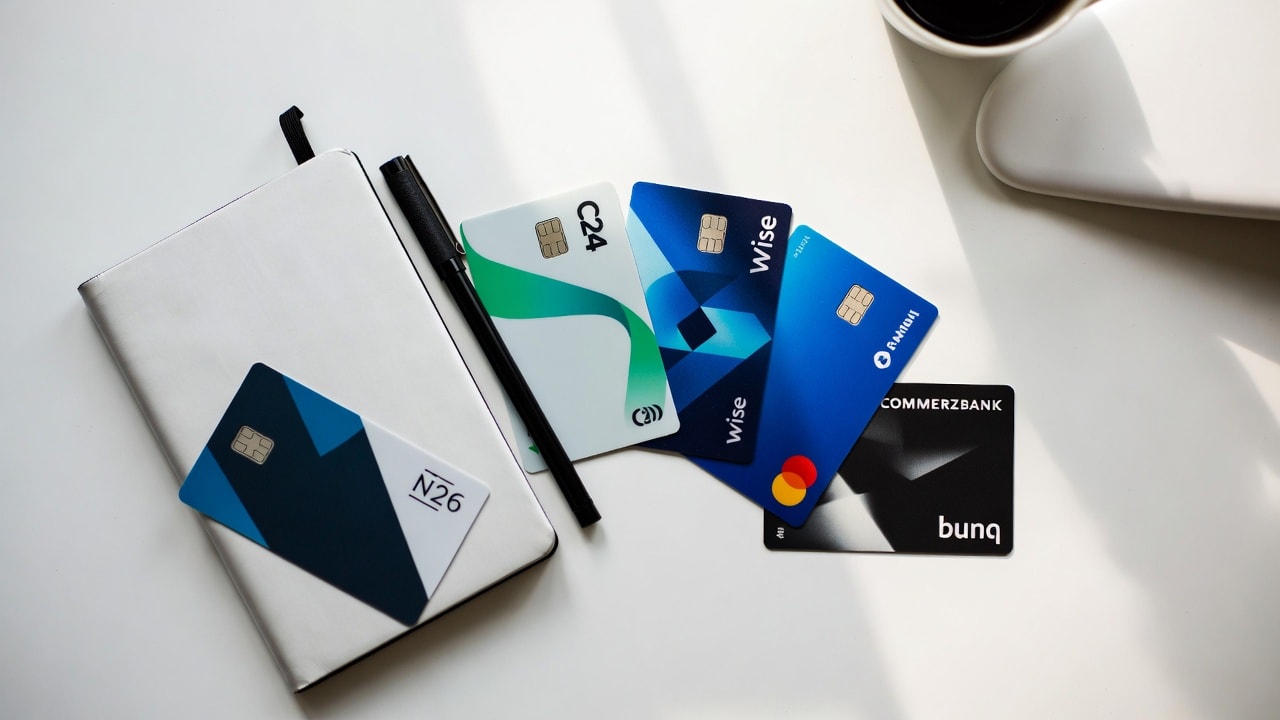
The real work happens before the appointment. Making sure you have the right health insurance, a valid blocked account (for students), a functioning German bank account to receive your Sperrkonto monthly releases, and all your documents organized and copied is what separates a smooth appointment from a stressful one.
Not sure which financial products you need for your visa type and nationality? ExpatNav's eligibility filter shows you only the providers that accept your specific profile, so you're not wasting time applying for products you can't get.
Affiliate disclosure: ExpatNav may earn a commission if you sign up for services through our links. This never affects our rankings, recommendations, or the advice in this article.