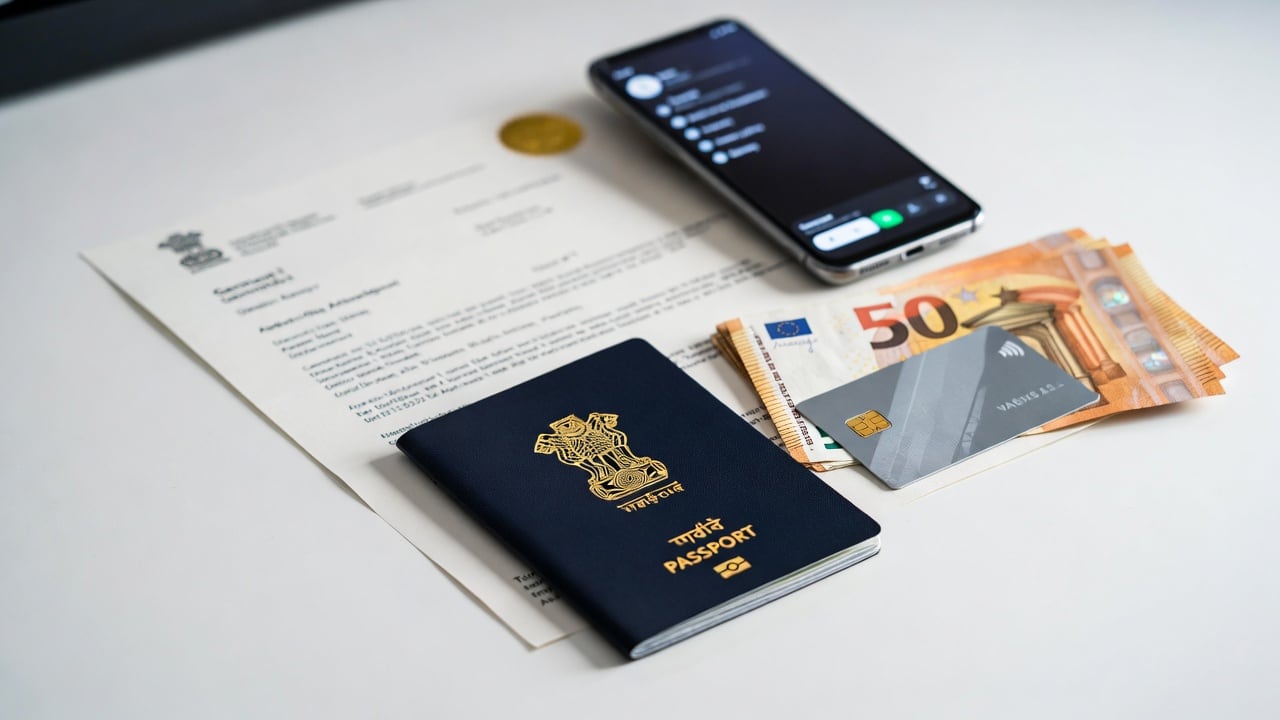
You just landed in Germany. You need a bank account to sign a rental contract, receive your salary, and set up direct debits for health insurance. But here's the problem: most German banks won't even let you through the door without a Meldebescheinigung (proof of registered address), and you can't get an apartment without a bank account. It's a classic catch-22, and it trips up thousands of internationals every year.
After helping over 12,000 users compare banking options on ExpatNav and going through this process ourselves, we've learned that three providers consistently come up in every expat's shortlist: N26, Wise, and Commerzbank. Each fills a different role, and the right choice depends on your nationality, visa type, and how long you've been in Germany.
This guide breaks down the real fees, eligibility rules, and practical trade-offs for each provider so you can pick the account that actually works for your situation.
Affiliate Disclosure: ExpatNav may earn a commission if you sign up through our links. This never affects our rankings or recommendations. We include providers regardless of affiliate relationships, and we always disclose pros and cons honestly.
Table of Contents
- Quick Comparison Table
- Which Bank Should You Choose?
- N26: Best Free Account With a German IBAN
- Wise: Best for Opening Before You Arrive
- Commerzbank: Best Traditional Bank for Expats
- The Real Cost Breakdown (Beyond Monthly Fees)
- Eligibility by Nationality and Visa Type
- Opening an Account Without Anmeldung
- Common Mistakes Expats Make With German Banks
- FAQ
- Conclusion
Quick Comparison: N26 vs Wise vs Commerzbank (2026)
Here's how the three providers stack up on the features that matter most to expats. All pricing was verified in April 2026.
Feature | N26 Standard | Wise | Commerzbank |
|---|---|---|---|
Monthly fee | €0 | €0 | €4.90 (first 3 months free) |
Card fee | €10 (one-time, physical Mastercard) | €7 (one-time, physical card) | Girocard included free |
IBAN type | German (DE) | Belgian (BE) | German (DE) |
Free ATM withdrawals | 2/month, then €2 each | 2/month up to €200 (€250 from May 2026) | Unlimited at 6,000+ Cash Group ATMs |
English app/support | Full English | Full English (16+ languages) | Online banking in English; branches vary |
Anmeldung required? | No | No | Yes |
Schufa record created? | Yes | No | Yes |
International transfers | Via Wise integration in-app | Best rates, mid-market exchange | SWIFT only, €10-30 per transfer |
Open from abroad? | Partially (need German address for card) | Yes, fully | No |
Best for | Primary everyday account | Multi-currency, pre-arrival, transfers | Traditional banking, Girocard needs |
Which Bank Should You Choose?
There's no single best bank for every expat. Your ideal pick depends on where you are in your Germany journey and what you need right now. Here's the shortcut:
Choose N26 if you want a free, fully English primary bank account with a German IBAN. It's the fastest way to get a working German bank account, you don't need an Anmeldung, and opening an account creates a Schufa record (which helps later when you're apartment hunting). For most expats, this is the right first account.
Choose Wise if you need a working account before you even land in Germany, you send money home regularly, or you manage income in multiple currencies. Wise gives you the cheapest international transfers by far. The trade-off: you get a Belgian IBAN instead of a German one, and it won't build your Schufa history.
Choose Commerzbank if you're already registered in Germany, you want a traditional bank with physical branches, or you need a Girocard for situations where Mastercard and Visa aren't accepted. Commerzbank costs €4.90/month after the free trial, but it's the most accessible traditional bank for English speakers.
Our recommendation for most expats: Open N26 as your primary account when you arrive (free, German IBAN, no Anmeldung needed). If you also send money internationally, pair it with Wise for transfers. Add Commerzbank later only if you need a Girocard or in-person banking.
N26: Best Free Account With a German IBAN
N26 is a fully licensed German digital bank based in Berlin, serving over 4 million customers across 24 European countries. For expats, it's the most straightforward path to a free German bank account with a DE IBAN, and everything works in English from day one.
The Standard account costs nothing: no monthly fee, no opening fee, no minimum deposit. You get a German IBAN immediately after verification, a virtual debit card right away for Apple Pay and Google Pay, and a physical Mastercard for €10. The entire sign-up process takes about 10 minutes through the app, using video identification with your passport.
What We Like About N26
Genuinely free: €0/month with no hidden conditions or minimum balance tricks
German IBAN (DE prefix) accepted everywhere for salary, rent, and direct debits
Full English app with support in 5 languages
No Anmeldung required to open (you do need a German address for card delivery)
Creates a Schufa record, which is critical for apartment applications later
International transfers built in via Wise partnership, so you get mid-market rates inside the N26 app
Push notifications for every transaction in real time
What Could Be Better
Only 2 free ATM withdrawals per month on the Standard plan (€2 for each additional withdrawal). If you use cash often, this adds up
Nationality restrictions: N26 doesn't accept all passport types. Some non-EU nationals need a plastic residence permit valid for at least 1 year, which is a problem for recent arrivals who only have a temporary paper visa
No Girocard. Some German shops, especially smaller bakeries and older businesses, only accept Girocard. This is becoming rarer, but it still happens
The physical card costs €10 upfront (it used to be free)
When we first set up ExpatNav, N26 was the first account our founding team opened. The process took 8 minutes from download to German IBAN. That speed matters when you're juggling visa paperwork, apartment viewings, and university enrollment all in the same week.
One thing to watch: based on feedback from our community, around 15% of non-EU users on ExpatNav report issues during N26's video verification because their passport type isn't supported. If this happens to you, check ExpatNav's bank comparison to see which providers accept your specific document.
Wise: Best for Opening Before You Arrive
Wise isn't technically a bank. It's a regulated multi-currency financial platform that works like one for daily spending. The big advantage for expats: you can open a Wise account from anywhere in the world, before you've set foot in Germany, without an Anmeldung, residence permit, or German address.
The account is free to open and has no monthly fee. You get a European IBAN (Belgian, not German), a debit card for €7, and the ability to hold and exchange over 40 currencies. For international transfers, Wise uses the mid-market exchange rate with a transparent fee starting from around 0.39%, which consistently beats every traditional German bank.
What We Like About Wise
Open from literally anywhere: no German address, no Anmeldung, no residence permit needed
Best international transfer rates on the market, period. If you send money to India, Nigeria, Turkey, or Pakistan, you'll save 2-4% compared to a German bank's SWIFT transfer
Multi-currency: hold EUR, USD, GBP, INR, and 40+ other currencies in one account
Free to receive SEPA transfers, which covers most employer salary payments
Support in 16+ languages including English, Turkish, and Hindi
From May 2026, the free ATM withdrawal allowance increases to €250/month (up from €200)
What Could Be Better
Belgian IBAN (BE prefix), not German. Most German employers and landlords accept any EU IBAN, but some payroll systems specifically prefer a DE IBAN. We've seen this cause issues for about 10% of users on our platform
No Schufa record. Wise doesn't report to Schufa, so using it won't help build the credit history you need for apartment hunting or German loan applications
Limited free ATM withdrawals: 2 per month up to €200 (€250 from May 2026). After that, there's a 1.75% variable fee on excess amounts
Not a full replacement for a German bank account. You'll probably still need an N26 or Commerzbank for certain domestic transactions
In our experience, the smartest approach is to open Wise before you fly to Germany so you have a working card and IBAN on arrival day. Then open N26 as your primary German account once you're settled. Wise becomes your go-to for sending money home and for travel spending, while N26 handles rent, salary, and German direct debits.
If you regularly send money to family abroad, the savings are substantial. A €500 transfer from Germany to India through a traditional German bank might cost €15-25 in SWIFT fees plus a 2-3% exchange rate markup. Through Wise, the same transfer typically costs under €4 total. Over a year, that difference adds up to hundreds of euros. Compare international transfer costs on ExpatNav to see real numbers for your corridor.
Commerzbank: Best Traditional Bank for Expats
Commerzbank is Germany's second-largest retail bank and the most expat-accessible traditional bank in the country. If you need physical branches, a Girocard, or simply feel more comfortable with a brick-and-mortar institution, Commerzbank is the strongest option for English speakers.
The standard account (GiroKonto) costs €4.90/month. The first 3 months are free, and the fee is permanently waived if you hold €50,000+ in combined Commerzbank assets. For most expats, that waiver condition is unrealistic, so budget for the monthly cost. Under-28s can get the free StartKonto with no conditions.
What We Like About Commerzbank
Physical branches across Germany (approximately 450 locations) where you can talk to a real person
Girocard included: still required at some German merchants, government offices, and automated machines
Free ATM withdrawals at 6,000+ Cash Group machines across Germany
English online and mobile banking available 24/7
German IBAN with full SEPA functionality
Builds your Schufa record
€50 welcome bonus for new customers (as of April 2026)
Apple Pay and Google Pay supported via virtual debit card
What Could Be Better
€4.90/month adds up to €58.80/year. That's real money, especially for students
Requires Anmeldung (registered German address) to open. You cannot get a Commerzbank account until after you've completed your address registration
Non-EU applicants typically need a residence permit valid for at least 6 months
The sign-up form is in German only (though third-party English guides exist)
Account opening takes longer: expect 1-2 weeks from application to card delivery versus 10 minutes with N26
International transfers through Commerzbank are expensive: SWIFT fees of €10-30 plus unfavorable exchange rates
One advantage of Commerzbank that gets overlooked: the 6,000+ Cash Group ATMs offer truly unlimited free withdrawals. Germany is still a cash-heavy country. A 2024 Bundesbank study found that cash accounted for about 51% of point-of-sale transactions in Germany. If you're someone who uses cash regularly (for the farmer's market, the bakery, splitting rent with roommates), Commerzbank's ATM network saves you more than the monthly fee costs.
The Real Cost Breakdown (Beyond Monthly Fees)
"Free" doesn't always mean free once you factor in card fees, ATM charges, and international transfer costs. Here's what each account actually costs a typical expat over 12 months.
Cost Item (Annual) | N26 Standard | Wise | Commerzbank |
|---|---|---|---|
Monthly account fee | €0 | €0 | €44.10 (€4.90 x 9 months after free trial) |
Card (one-time) | €10 | €7 | €0 |
ATM fees (3 withdrawals/month) | €24 (€2 x 12 months for the third withdrawal) | €0 (within €200-250 limit) | €0 (Cash Group ATMs) |
6 international transfers (€500 each to India) | ~€24 (via Wise integration) | ~€24 | ~€150+ (SWIFT fees + rate markup) |
Estimated annual total | ~€58 | ~€31 | ~€194 |
These estimates use realistic usage patterns for an expat who makes 3 ATM withdrawals per month and sends 6 international transfers per year. Your actual costs will vary depending on how you use cash and how often you transfer money abroad. ExpatNav's total cost calculator lets you plug in your own numbers.
Eligibility by Nationality and Visa Type
This is where things get tricky, and where generic banking guides fall short. The bank that works perfectly for an EU citizen might reject a Nigerian student or a Syrian refugee. Based on data from our eligibility checks on ExpatNav, here's the reality.
EU/EEA Citizens
You have the easiest path. All three banks accept EU/EEA nationals with minimal documentation. N26 and Wise require just a passport. Commerzbank needs your Anmeldung plus passport or EU ID card. You can skip ahead to whichever bank fits your preferences.
Non-EU Students (India, Nigeria, Pakistan, Bangladesh, Turkey)
This is the largest segment of ExpatNav users, and it's where we see the most issues. N26 requires certain passport types and may ask for a plastic residence permit valid for at least 1 year. The paper Fiktionsbescheinigung (temporary permit) that many new students receive is sometimes not accepted during video verification.
Wise is the safest bet for immediate account access: it accepts the widest range of nationalities and document types, and you can open it before you arrive. Use Wise as your bridge account, then add N26 or Commerzbank once you have your residence permit sorted.
Commerzbank requires Anmeldung plus a residence permit valid for at least 6 months. Most student visas qualify, but you'll need to wait until after registration and your Auslanderamt appointment.
Citizens of Sanctioned Countries (Russia, Iran, Syria)
This group faces the most restrictions. N26 and Wise have rejected applicants from sanctioned countries, even those with valid German residence permits. If you're in this situation, Sparkasse (your local savings bank) is often the most reliable option, though service is typically in German only. Check ExpatNav's eligibility filter to see which providers currently accept your nationality.
Opening a Bank Account Without Anmeldung
Can you open a German bank account without Anmeldung? Yes, but only with digital banks. Both N26 and Wise let you open an account without a registered German address. Traditional banks like Commerzbank, Deutsche Bank, and Sparkasse all require your Meldebescheinigung before they'll process your application.
This matters because most expats face a timing gap: you need a bank account to secure an apartment (landlords want to see your IBAN), but you need an apartment to register your address, and you need your address registration to open a traditional bank account. Digital banks break this cycle.
The practical playbook: open N26 or Wise in your first week. Use that IBAN on apartment applications. Complete your Anmeldung once you've signed a lease. Then, if you want a traditional bank, open Commerzbank with your Meldebescheinigung. Once you have your Sperrkonto set up (if required for your visa) and health insurance sorted, your financial foundation in Germany is solid.
Common Mistakes Expats Make With German Banks
After talking to thousands of users through our platform, these are the mistakes we see over and over.
Walking into a traditional bank on day one. When I first arrived in Germany, my instinct was to visit the closest Sparkasse. I spent 45 minutes waiting, couldn't communicate properly in German, and was told to come back with documents I didn't have yet. I could have had an N26 account in 10 minutes from my hotel. Learn from my mistake.
Ignoring the Schufa angle. Many expats open Wise as their only account because it's the easiest. That works for daily spending, but Wise doesn't create a Schufa entry. Six months later, when you're apartment hunting and a landlord runs your Schufa, you'll have no credit history at all. Open N26 alongside Wise so your Schufa starts building from day one.
Using a German bank for international transfers. Commerzbank and Deutsche Bank charge €10-30 per SWIFT transfer, and their exchange rates include a hidden markup of 1.5-3%. For a €500 transfer to India, that's easily €25-40 wasted. Use Wise for international transfers. Always.
Not checking nationality eligibility first. About 1 in 5 non-EU applicants in our community reports being rejected by at least one bank during the application process. The rejection itself isn't always a problem, but it wastes time and can be demoralizing when you're already stressed about settling in. Check eligibility before you apply.
Assuming "free" means no costs. N26's Standard account has no monthly fee, but if you withdraw cash 4 times a month, that's €24/year in ATM fees. Wise is free, but exceeding the withdrawal limit costs 1.75%. Commerzbank is €4.90/month, but ATM withdrawals at Cash Group machines are unlimited and free. The cheapest bank depends on how you actually use it.
Frequently Asked Questions
Can I open a German bank account from outside Germany?
Wise lets you open a full account from anywhere in the world with just your passport. N26 allows you to start the application from abroad via video identification, but you'll need a German address for card delivery. Commerzbank requires you to be in Germany with an Anmeldung.
Do I need a Schufa score to open a bank account?
No. New arrivals have no Schufa history, and that's totally normal. N26, Wise, and Commerzbank all accept customers without existing Schufa scores. However, N26 and Commerzbank create a Schufa entry when you open an account, which helps you start building credit history. Wise does not create a Schufa record.
Is a Belgian IBAN from Wise accepted by German employers?
In most cases, yes. EU regulations require employers to accept any EU IBAN for salary payments. However, some German payroll software systems are configured only for DE IBANs and may cause processing delays. Based on our community feedback, about 90% of employers process Belgian IBANs without issues.
Which bank is best for Indian students in Germany?
Start with Wise before you fly (so you have a working card on arrival), then open N26 once you're in Germany. N26 gives you the German IBAN you need for rent and Sperrkonto monthly releases, and it builds your Schufa. Use Wise to send money home at the best rates. If you need a Girocard for specific situations, add Commerzbank later.
Can I have multiple bank accounts in Germany?
Absolutely. There's no legal limit on how many bank accounts you can hold. Many expats use 2-3 accounts: one digital bank (N26) for daily spending, Wise for international transfers, and sometimes a traditional bank for specific needs. Just make sure you report all accounts on your tax return if required.
What is a Girocard and do I need one?
A Girocard is Germany's domestic debit card system (formerly called EC-Karte). Some smaller shops, government offices, and automated machines only accept Girocard. N26 and Wise don't offer Girocards. Commerzbank includes one for free. In 2026, Girocard-only acceptance is declining but hasn't disappeared entirely. If you live in a smaller city, you're more likely to encounter it.
How long does it take to open each account?
N26: about 10 minutes to get your IBAN and virtual card. Physical card arrives in 5-7 business days. Wise: account setup in minutes, card delivery takes 1-2 weeks to Germany. Commerzbank: the application itself takes 15-20 minutes online, but identity verification, card delivery, and PIN mailing typically add up to 1-2 weeks total.
What happens to my bank account if I leave Germany?
N26 requires you to be a resident of a supported European country. If you move outside Europe, you'll need to close your account. Wise works globally, so your account stays active regardless of where you move. Commerzbank may close your account if you're no longer a German tax resident, though policies vary. Before leaving, make sure to cancel any direct debits and redirect your Sperrkonto releases if applicable.
Conclusion: Your German Banking Starter Kit
Getting your banking sorted is one of the first and most important steps in setting up your life in Germany. The good news: you don't need to overthink it. For most expats, the combination of N26 (free primary account with German IBAN) plus Wise (international transfers and pre-arrival backup) covers 95% of what you need.
If you want physical branches and a Girocard, add Commerzbank after your Anmeldung. If you're a student under 28, Commerzbank's free StartKonto makes the math even easier.
The most important thing is to check eligibility for your specific nationality and visa type before you apply. A rejection wastes time, and it's avoidable.
Not sure which bank fits your situation? Use ExpatNav's bank comparison tool to filter providers by your nationality, visa type, and language. You'll see instantly which banks accept your profile, with real fees and community reviews from people like you.
Pricing and eligibility data in this article was verified in April 2026 and may change. Always confirm current terms directly with the provider before opening an account. For more guides on setting up your financial life in Germany, visit the ExpatNav Guides section.